Introduction
In a world where self-expression and creativity are paramount, dance studios serve as sanctuaries for children seeking to discover their voices and build confidence. These vibrant spaces provide more than just a place to learn moves; they foster an environment where kids can express their emotions, form friendships, and develop life skills that will benefit them long after the music stops.
With professional instructors guiding each step, children dive into various dance styles, from ballet to hip-hop, gaining not only technical skills but also invaluable lessons in teamwork, discipline, and resilience. This article explores the multifaceted role of dance studios in shaping young lives and nurturing future generations of confident individuals.
Dance Studios: Where Kids Find Their Voice and Confidence
At its core, a dance studio isn't just about learning choreography; it's about personal growth. The question arises: how do these environments help kids find their voice? The answer lies in the holistic approach that dance studios take in nurturing young dancers.
The Power of Movement: Expressing Emotions Through Dance
One of the most profound aspects of dance is its ability to communicate feelings that words often can't capture. When children enter a dance studio, they’re encouraged to express joy, sadness, excitement, or even frustration through movement.
- Creative Expression: Kids learn to use their bodies as instruments for storytelling. Emotional Release: Dance allows for the venting of pent-up emotions. Body Awareness: Children become more attuned to their physicality.
This freedom fosters an environment where kids can truly embrace who they are while exploring different facets of their personality.
Building Confidence on the Dance Floor
Confidence doesn’t come overnight; it’s cultivated over time through practice and positive reinforcement. In a dance studio setting:
- Skill Development: As kids master new techniques, they gain confidence in their abilities. Performances: Showcasing talent in front of peers and families helps alleviate stage fright. Peer Support: Encouragement from fellow dancers creates a sense of belonging.
These elements combined create a fertile ground for self-esteem to blossom.
Social Skills and Teamwork Through Group Classes
Dance isn’t just an individual endeavor; it's often a collaborative effort. Group classes at dance studios teach valuable social skills:
Communication Skills
Kids learn how to communicate effectively with their peers during group activities.
Team Dynamics
They understand the importance of working together towards a common goal—be it a performance or simply mastering a routine.
Conflict Resolution
In any team setting, conflicts can arise. Learning how to navigate these situations is crucial for personal development.
The Role of Instructors in Shaping Young Dancers
Dance instructors play an instrumental role in fostering both skill development and personal growth among students:
Mentorship
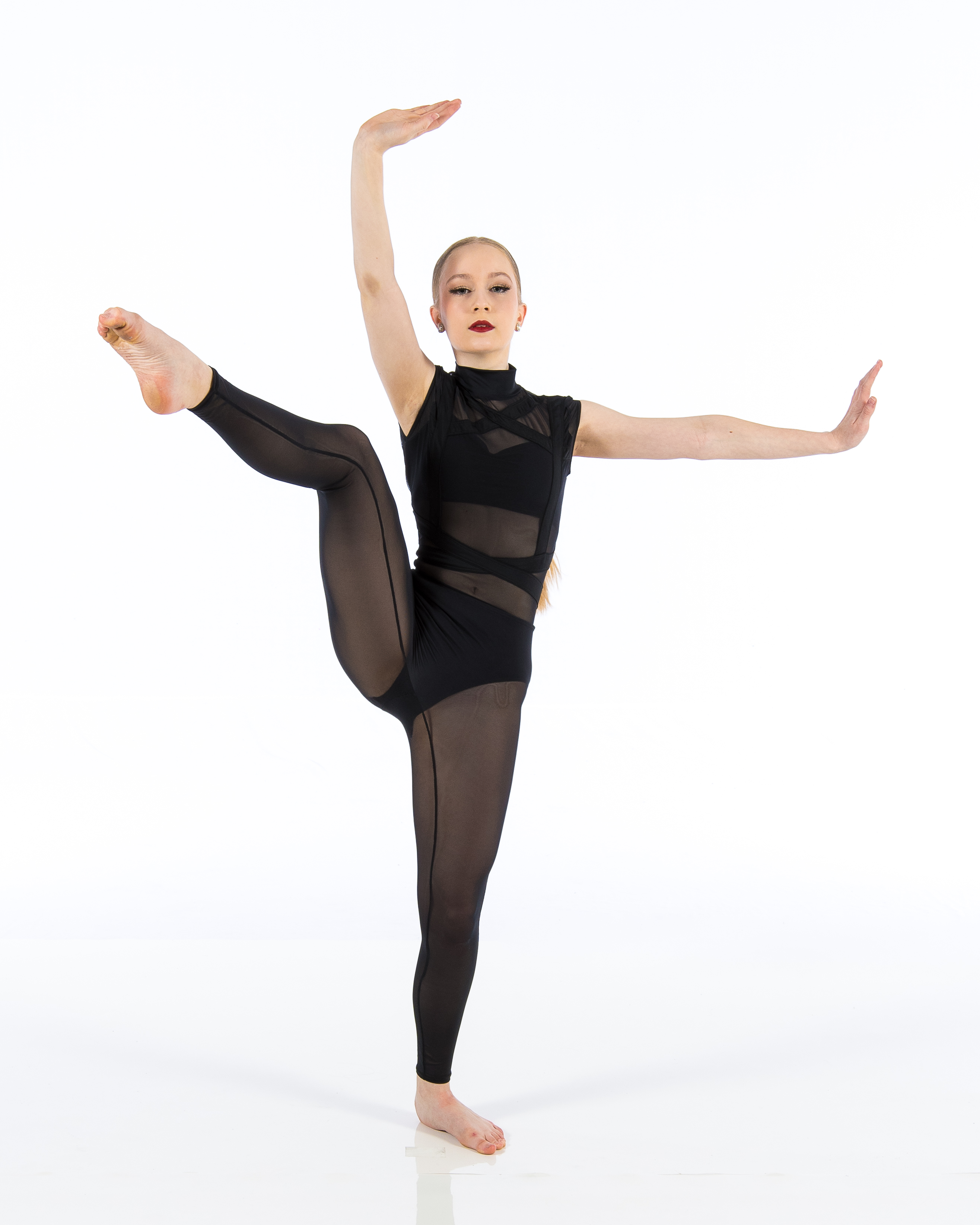
Good instructors act as mentors who inspire kids beyond just the technical aspects of dance.
Constructive Feedback
Positive reinforcement encourages students to push through challenges without fear of failure.
Creating Safe Spaces
Instructors create nurturing environments where kids feel safe to express themselves without judgment.
Diverse Styles Offered at Dance Studios
Dance studios cater to various styles that appeal to different interests among children:
Ballet: The Foundation of Dance
Ballet serves as the cornerstone for many other styles. It teaches posture, grace, and discipline—essential components for any dancer's journey.
Hip-Hop: Urban Culture Meets Creativity
Hip-hop offers an energetic outlet that resonates with today’s youth culture. It's often characterized by its improvisational nature which allows personal expression.
Jazz: The Blend of Technique and Fun
Jazz incorporates elements from various styles while emphasizing rhythm and musicality—perfect for kids who love upbeat music.
Contemporary: A Fusion of Forms
This style merges classical techniques with modern influences, encouraging dancers to explore fluidity in movement.
How Dance Studios Foster Lifelong Friendships
Dance studios are social hubs where friendships are forged through shared experiences:
Shared Goals Bring Dancers Together
Working towards performances fosters camaraderie among dancers who share similar aspirations.
Support Systems
Friendships formed within these walls provide emotional support during both triumphs and challenges.
The Importance of Parental Involvement in Dance Education
Parents play an essential role in supporting their child's journey through dance:
1. Attendance at Recitals
Cheering from the audience boosts best dance studio Tigard children's confidence during performances.
2. Encouraging Practice
Parental encouragement helps instill discipline necessary for improvement.
3. Open Communication
Discussing experiences nurtures understanding between parents and children regarding challenges faced in classes.
Benefits Beyond Dance: Life Skills Gained Through Movement
Participating in dance classes provides benefits extending far beyond technical skills:
Time Management
Kids learn how to balance schoolwork with rehearsals & practice sessions.
Goal Setting
Achieving milestones teaches children how to set realistic goals & work towards them.
Resilience
Facing challenges head-on cultivates mental toughness—a vital life skill!
FAQ Section
Q1: What age should my child start dancing?
A1: Many dance studios offer classes starting as early as three years old! Starting young helps build foundational skills while promoting confidence early on.
Q2: How do I choose the right dance studio?
A2: Consider factors like class offerings, instructor qualifications, location convenience, and reviews from other parents before making your choice!
Q3: Are there competitive opportunities available?
A3: Yes! Many studios offer competitive teams for those interested—check with your local studio about audition processes!
Q4: What should my child wear for class?
A4: Attire typically varies by style; however, most studios require leotards for ballet or comfortable athletic wear for hip-hop & jazz classes!
Q5: Can boys join dance classes too?
A5: Absolutely! Dance is inclusive & beneficial regardless of gender—many boys thrive in classes like hip-hop or breakdancing!
Q6: What if my child doesn’t want to perform?
A6: That’s perfectly fine! Participation should be based on comfort levels—focus on enjoying the process rather than pressure them into performing!
Conclusion
Dance studios represent much more than mere venues for learning steps—they're transformative spaces where kids discover their voices while cultivating lasting friendships and invaluable life skills along the way. With guidance from dedicated instructors combined with supportive peer relationships fostered within these walls, children emerge not only as skilled dancers but also as confident individuals ready to take on whatever life throws at them next!