Dance isn’t just about the steps or the rhythm; it’s a vibrant tapestry woven from threads of culture, community, and connection. In a world that often feels fragmented, dance studios stand as sanctuaries where families unite to share experiences that transcend generations. This article delves into the cultural significance of dance studios as community hubs, exploring how they foster familial bonds and create lasting memories.
The Essence of Dance: A Family Affair
What Makes Dance a Family Activity?
Dance is one of those rare activities that brings people together, regardless of age or background. But what exactly makes it such a family affair? At its core, dance allows for expressive communication without words. Families can experience joy, frustration, laughter, and triumph on the dance floor—emotions that strengthen their bonds.
The Shared Experience: Building Connections Through Movement
When families step into a dance studio, they're not just learning choreography; they’re embarking on a journey together. The shared experience fosters teamwork and collaboration. Parents and children learn to support each other, whether it’s nailing that tricky spin or simply enjoying the music.
Dance Studio: A Home Away from Home
Why Dance Studios Feel Like Family?
Dance studios often become second homes for many dancers. The environment is nurturing and inclusive—a place where everyone feels valued. But why is this sense of belonging so vital? It offers emotional safety where individuals can express themselves freely without fear of judgment.
The Role of Instructors in Creating Community
Instructors play an indispensable role in shaping this community atmosphere. They don’t just teach steps; they cultivate relationships. A good instructor recognizes each dancer's unique strengths and weaknesses, fostering an environment where growth can flourish.
Cultural Significance: Celebrating Diversity in Dance Studios
Embracing Different Cultures Through Dance
Dance serves as a cultural bridge, allowing families to explore various traditions through movement. Many studios offer classes that highlight different styles—from ballet to hip-hop to local dance studio salsa—each with its own rich history and cultural significance.
How Cultural Awareness Enhances Family Dynamics
By participating in diverse dance forms, families gain insights into other cultures’ values and practices. This awareness encourages open-mindedness and respect among family members as they learn about global traditions together.
Intergenerational Bonds: Dancing Through the Ages
The Power of Dance Across Generations
One of the most beautiful aspects of dance is its ability to connect generations. Grandparents can share stories while teaching their grandchildren traditional dances passed down through family lines.
Table 1: Popular Dance Styles for All Ages
| Age Group | Recommended Dance Style | Benefits | |-----------------|--------------------------|--------------------------------------------| | Toddlers | Creative Movement | Improves coordination | | Children | Ballet | Builds discipline | | Teens | Hip-Hop | Enhances self-expression | | Adults | Salsa | Promotes social interaction | | Seniors | Line Dancing | Encourages physical activity |
Dance as Therapy: Healing Through Movement
Can Dance Help Heal Emotional Wounds?
Absolutely! Many therapists incorporate dance into their practices because it promotes emotional release and healing. For families dealing with loss or trauma, dancing together can be a profound way to process feelings.
Building Resilience Through Dance Therapy
Engaging in dance therapy nurtures resilience among family members. It teaches them coping mechanisms while also providing a supportive space to express their emotions collectively.
Creating Lasting Memories: The Impact of Recitals and Performances
Why Are Recitals Important for Families?
Recitals are like milestones on the family’s dance journey. They showcase hard work and dedication but also serve as bonding experiences filled with excitement and pride.
Quote from an Experienced Dancer
“Recitals are more than just performances; they’re celebrations of our growth as dancers and as a family.” — Emily Johnson
Preparing Together: The Family Performance Experience
In preparation for recitals, families often come together for rehearsals at home—practicing routines while laughing over missteps or celebrating successes. These moments become cherished memories that last long after the curtain closes.
Community Engagement: More Than Just Classes
How Do Dance Studios Foster Community Spirit?
Many studios engage with local communities by hosting events like fundraisers or workshops aimed at promoting inclusivity through dance. This involvement creates strong ties between families within the studio and beyond.
Collaborative Events That Bring Families Together
From charity performances to community parades, collaborative events allow families to showcase their talents while contributing positively to society—a win-win situation!
The Evolution of Family Dynamics in Dance Studios Over Time
How Has Dance Changed Over the Years?
Dance has evolved significantly over time, reflecting societal changes and technological advancements. Families today often have access to diverse styles that weren’t available previously—allowing them to explore new avenues together.
Table 2: Historical Changes in Family Dance Practices
| Era | Popular Styles | Key Characteristics | |------------------|---------------------------------|-------------------------------------------| | 1920s | Swing | Social gatherings emphasizing fun | | 1960s | Folk | Community-building through shared culture | | 1980s | Breakdancing | Emphasis on individual expression | | 2000s-Present | Fusion Styles | Blending various forms for creativity |
Challenges Families Face in Finding Their Place in Dance Communities
What Obstacles Might Families Encounter?
Navigating schedules filled with work commitments, school obligations, and extracurricular activities can make attending classes challenging for some families.
Solutions for Balancing Life with Dancing
To combat these challenges, many studios offer flexible scheduling options tailored specifically for busy families—making it easier than ever to prioritize both life responsibilities and passion for dance!
Promoting Inclusivity Within Studio Communities
How Can Studios Become More Inclusive Spaces?
Creating an inclusive environment requires ongoing effort from both instructors and participants alike! Offering scholarships or sliding scale fees ensures accessibility across socio-economic backgrounds while encouraging diversity among dancers.
Quote from an Inclusive Instructor
“Every dancer deserves space on our floor; we strive every day to make our studio welcoming.” — Sarah Thompson
Celebrating Different Abilities in Dance
Many studios now offer adaptive classes designed specifically for differently-abled dancers—ensuring that everyone has access to this enriching art form!
The Role Technology Plays in Modern-Day Dance Communities
How Is Technology Changing How We Engage with Dance?
With online classes becoming more prevalent than ever due partly due pandemic-related restrictions., technology allows families greater flexibility when participating together—even from home!
Benefits of Online Learning Platforms:
- Access diverse styles not offered locally Flexibility around busy schedules Opportunity for global connections within larger communities
Celebrating Milestones Together Through Events & Competitions
Why Are Competitions Significant For Families?
Competitions provide chances not only showcase skills but also strengthen familial bonds through shared goals—bringing everyone closer together amid friendly rivalry!
Table 3: Notable Benefits Of Participating In Competitions | Benefit | Description | |----------------------------|-----------------------------------------| | Teamwork | Fosters collaboration among family units| | Goal Setting | Encourages focus on achievements | | Community Support | Creates camaraderie within studios |
Diversity Within Classes: Ensuring Everyone Feels Included
What Steps Can Be Taken To Ensure Diversity In Classes?*
Studios should actively seek out diverse instructors who bring unique perspectives into classrooms while maintaining openness towards different cultures/styles represented by students themselves!
Here are some frequently asked questions related to "Dance as a Family: The Cultural Significance of Studio Community":
li4/ol1/li5li5/ol2li6# How does participation enhance family communication?- Engaging together fosters open dialogue about feelings experienced during practice sessions which strengthens interpersonal bonds overall!
- While every style has its merits; folk dances often encourage participation from multiple generations seamlessly blending tradition storytelling elements!
5 . li12li12/# How can I find suitable studios nearby?
- Start by researching local options online checking reviews/ratings ensuring they align closely aligning values surrounding community engagement inclusion offering desired genres taught!
Conclusion: Uniting Families Through Rhythm & Culture
In conclusion,dance transcends mere movement —it weaves itself into life's fabric creating connections amplifying love respect trust nurtured over time spent within these wonderful spaces known affectionately referred simply “dance studios". Whether you're looking towards therapeutic healing moments celebrating milestones along way remember this simple truth—when we come together through rhythm magic happens transforming lives forevermore! So gather your loved ones sign up start grooving today join those countless others experiencing joys found dancing alongside one another forming everlasting memories within these cherished communities!
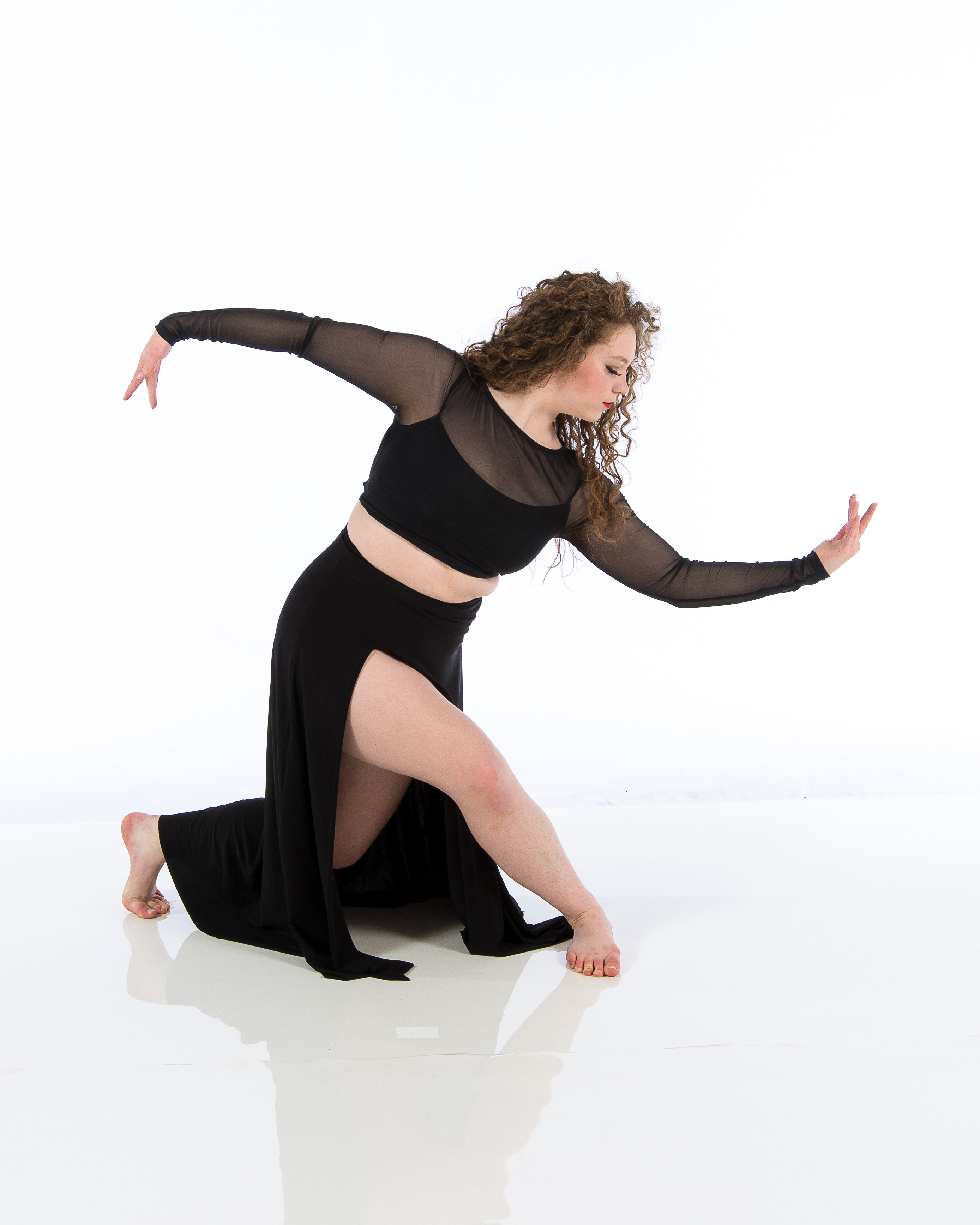
This article explored various facets surrounding “Dance as a Family: The Cultural Significance of Studio Community”, highlighting how engaging collectively enriches lives while creating meaningful connections deep-rooted within familial dynamics ultimately forging stronger ties amongst us all!